
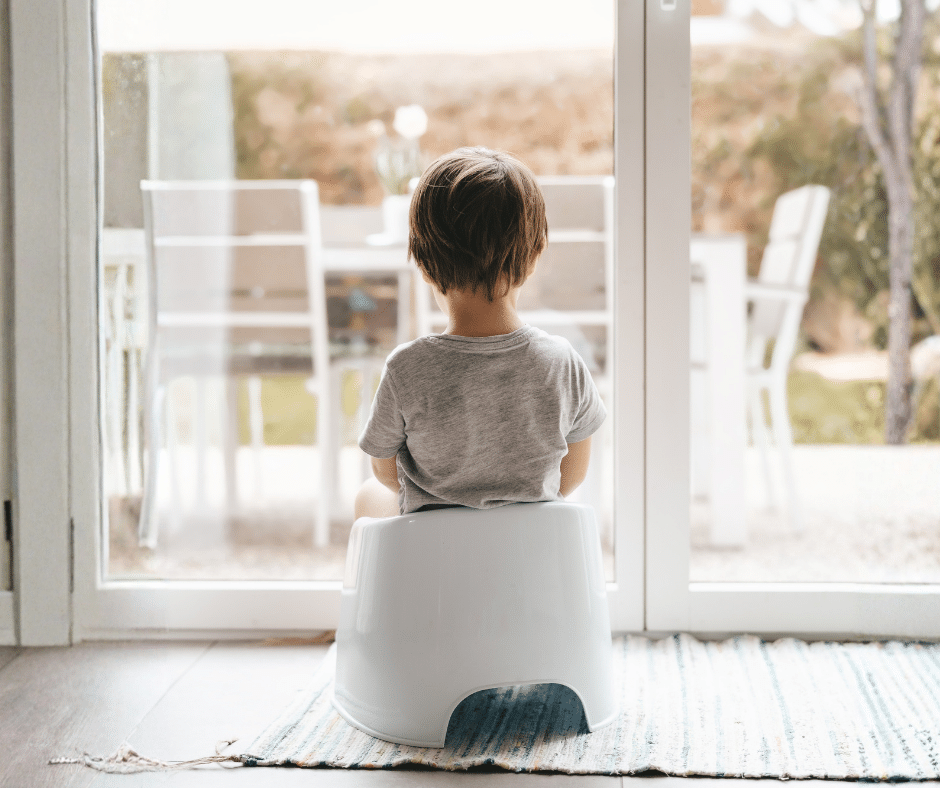
Potty Training Regression
It can be really frustrating when your child seems to be doing well with potty training and then suddenly starts having accidents again. Many parents experience this, especially during times of change or stress. A child who was using the potty consistently may suddenly stop telling adults they need to go, start having accidents at home or school, ask for diapers again, or even avoid talking about it altogether.
Unlike adults, young children don’t always learn skills in a steady, predictable way. Their development often comes in spurts, and sometimes they temporarily lose skills they recently gained. Potty training regression is actually very common and is often a child’s way of coping with big emotions or changes in their world.
Before assuming the issue is emotional, it’s important to rule out physical causes by talking with your child’s pediatrician. Constipation, urinary tract infections, painful bowel movements, or other medical concerns can all affect bathroom habits.
Once physical causes are ruled out, consider whether something stressful or unfamiliar has recently happened in your child’s life. Common triggers for potty training regression include:
-Starting a new child-care or preschool program
-Changes in routine or caregivers
-A new baby in the family
-Moving to a new home
-Family stress, conflict, separation, or divorce
-Illness or death in the family
-Fear or anxiety about the bathroom
-Feeling pressured or overly controlled during potty training
Even positive changes can feel overwhelming for young children. Sometimes stepping backward for a short time is simply how they manage those emotions.
Children may also react in ways that confuse parents. Some hide wet clothes or deny accidents because they feel embarrassed or ashamed. Others may avoid the toilet altogether, want more attention, imitate younger children, or ask to wear diapers again. These behaviors are usually not signs of laziness or defiance they are signs your child needs reassurance and support.
When responding to potty training regression:
-Stay calm and avoid punishment or criticism
-Let your child know accidents are okay and that you’ll help them through it
-Talk gently about what might be bothering them
-Offer extra reassurance, attention, and encouragement
-Keep potty routines simple and consistent
-Praise effort and small successes
-Help clean up accidents together without shame
-Work with caregivers or teachers to create consistency between home and child care
Sometimes small adjustments can help your child feel more secure again, like placing the potty in a familiar spot, using training pants for a short time, or accompanying them to the bathroom at preschool.
If regression continues for several weeks or your child seems especially distressed, it may help to take a short break from active potty training and try again later. Most potty training regressions are temporary, and with patience, understanding, and support, children usually regain their confidence and get back on track.