
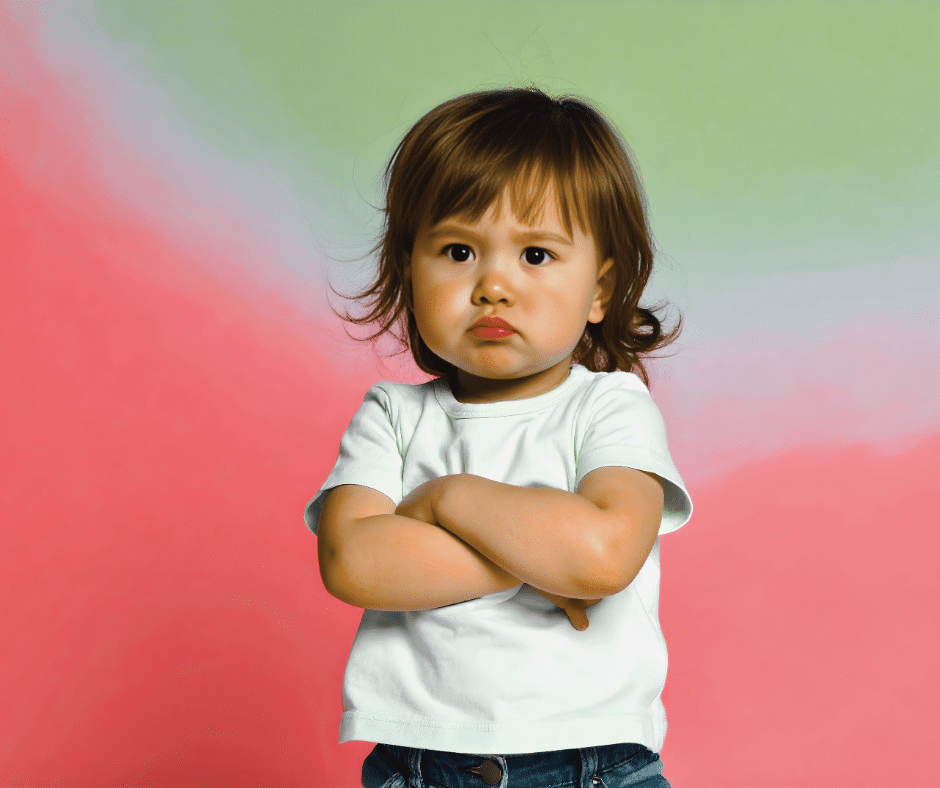
When Little Hands Hurt: Understanding Biting, Pinching, and Hair-Pulling
Why do babies and toddlers bite, pinch, and pull hair?
If your little one has ever bitten, pinched, or grabbed a handful of hair — you’re not alone. This behavior is actually very common and usually part of normal development. Babies explore the world with their mouths and hands. Around 6–12 months, they also start experimenting with cause and effect. They might bite you… then pause and watch your reaction closely. If you laugh, they may think it’s a fun game and try it again. If you react strongly, they might be just as interested in that response too!
Sometimes babies bite simply because they’re teething and their gums hurt.
Toddlers may bite, pinch, or pull hair for different reasons:
They’re feeling big emotions (anger, excitement, frustration, hurt)
They don’t yet have the words to express how they feel
They’ve seen another child do it
They’re overwhelmed, tired, hungry, or overstimulated
They need more movement and active play
How to respond when a baby bites, pinches, or pulls hair
For babies, simple and calm works best.
Use a clear, gentle response like: “No.”
Gently remove their hand (or mouth) and turn away or set them down to reduce attention to the behavior.
Be consistent — respond the same way each time.
If your baby is teething, offer something safe to chew on like a teether, cold washcloth, or toy.
If they’re hungry, a feeding might help too.
Just as important: notice and praise gentle behavior. When your baby cuddles or touches softly, give lots of attention and positive feedback.
Helping toddlers learn better behavior
With toddlers, you can be a bit more direct while staying calm.
“No biting. Biting hurts Mommy.”
Try to figure out why the behavior is happening so you can respond in a helpful way.
If your toddler has big feelings but no words:
Stay calm and name the feeling:
“You look really angry.”
This teaches emotional awareness and healthy coping.
If they need stimulation or are hungry:
Offer crunchy snacks, a straw cup, a teether, or chances for active play.
If your child hurts another child:
Stay calm and step in quickly.
Comfort the other child and model empathy: “Sam is crying because pinching hurts.”
Remove your child from the situation and help them calm down.
A short apology to the other parent can also go a long way.
Later, when things are calm, talk with your toddler about what happened:
Ask what they were feeling
Talk about better choices (using words, asking an adult for help)
Encourage saying sorry if appropriate; this helps build emotional understanding and problem-solving skills.
When to seek extra support
Sometimes, despite your best efforts, the behavior continues. It’s okay to ask for help.
Reach out for support if you’re:
Feeling exhausted or overwhelmed
Getting increasingly frustrated or angry
Avoiding activities because of the behavior
Your Primary Care Doctor or Pediatrician offer guidance and refer you to specialists (like a OT, or psychologist) if needed.