
Promoting Social-Emotional Learning With Your Child
Social–emotional wellness—often called infant mental health by early childhood professionals—is all about how young children learn to experience and manage emotions, build secure relationships, and explore their world with confidence.
Babies understand the world through the relationships they build with the adults who care for them. These connections provide love, comfort, protection, and encouragement, and help cushion the effects of stress. Through warm, responsive relationships, young children learn to play, communicate, navigate challenges, and express their feelings. Nurturing relationships also lay the foundation for trust, empathy, compassion, generosity, and a healthy sense of right and wrong.
The Basics
One widely used approach to social-emotional learning (SEL) is the CASEL framework, created by the Collaborative for Academic, Social, and Emotional Learning.
CASEL outlines five key, interconnected SEL competencies:
-Self-awareness: Recognizing your own emotions, thoughts, and how they influence behavior.
-Social awareness: Showing empathy, respecting others, and understanding different perspectives.
-Responsible decision-making: Making thoughtful, ethical choices about personal behavior and social interactions.
-Self-management: Managing emotions and impulses, coping with stress, and setting personal goals.
-Relationship skills: Building and maintaining healthy, supportive relationships.
Why SEL Matters
SEL has been shown to help children feel more confident, connected, and ready to learn. Research consistently links SEL to better academic performance, improved behavior, and stronger stress-management skills.
Studies also show that the benefits of SEL hold true across diverse populations, supporting positive development for children of different backgrounds and communities. SEL can also promote equity and inclusivity in the classroom by creating environments where all students feel seen, supported, and like they truly belong.
Responsive Parenting
How often do you truly observe what your child is doing? It might sound like a funny question—most of us feel like we’re watching our kids all day long! But being with our children is not the same as intentionally observing them.
Observation means slowing down to really look at what your child is doing, listen to what they’re saying, and notice their unique style of interacting with the world. Are they a “jump in, let’s go!” kind of child, or someone who prefers to ease in slowly? Do they react strongly and show their feelings right away, or are they more calm and laid back?
Taking even a few moments to observe can teach us so much. These small clues help us understand what makes our child tick, make better guesses about why they behave the way they do, and respond in ways that truly support their growth. When children feel understood and responded to, their confidence and self-esteem flourish.
Snuggles Go a Long Way
When we see a cute baby, it’s almost automatic—we coo, smile, make silly noises, and do whatever it takes to earn that heart-melting grin. Those warm, affectionate feelings can be harder to summon during long crying spells or toddler tantrums, but most of us still find the love and patience needed to care for little ones, even on tough days.
What might seem like simple acts—touching, holding, comforting, rocking, singing, and talking—are actually powerful. These everyday moments do more than soothe and entertain; they give babies exactly the kind of stimulation their growing brains need. Gentle affection and encouraging words send a clear message: You are special. And when a child feels deeply loved and valued for who they are, they begin to learn how to share that same love with others.
Allow Kids to Resolve Conflicts on Their Own (Within Reason)
At this age, toddlers are just beginning to understand the idea of “me,” which makes sharing especially challenging. They know exactly what they want and when they want it—but their brains aren’t yet ready to fully understand someone else’s feelings or point of view. Their self-control is also just starting to develop. Even though they may understand when you say, “Don’t take that,” it’s still incredibly hard for them to stop themselves from acting on impulse.
Think about how difficult it can be—even as an adult—to resist a chocolate chip cookie when you’re trying to stick to a diet. Adults face impulse-control tests once in a while; toddlers face them dozens of times a day.
Over time, with brain growth, practice, and support from caring adults, children develop stronger self-control. When we help toddlers name their feelings and show them simple ways to manage their impulses, they gradually learn to do it on their own. These early lessons help them build the skills they need to handle conflicts and navigate relationships as they grow.
Supporting Safe Exploration and Play
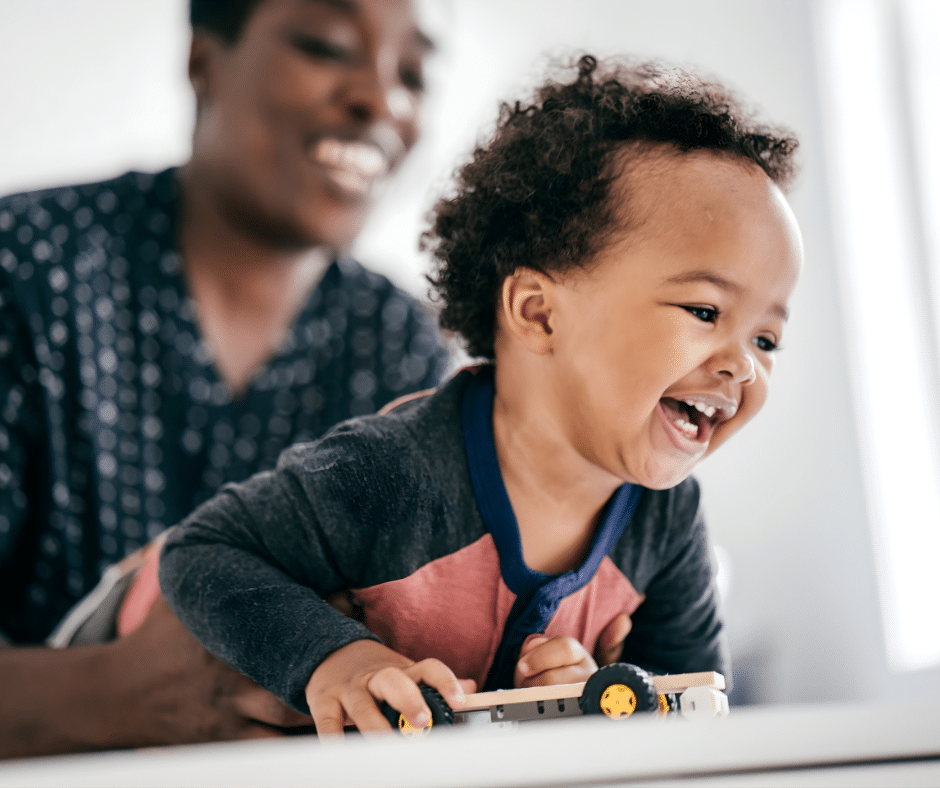
Scaffolding happens when you follow your child’s lead and offer just enough support to help them reach the next step—without taking over or causing frustration. Allowing your children to explore and then stepping in with just the right amount of help, you are helping your child experience the success. This kind of support helps babies discover what they can do on their own while also reassuring them that you’re there to back them up as they grow.