
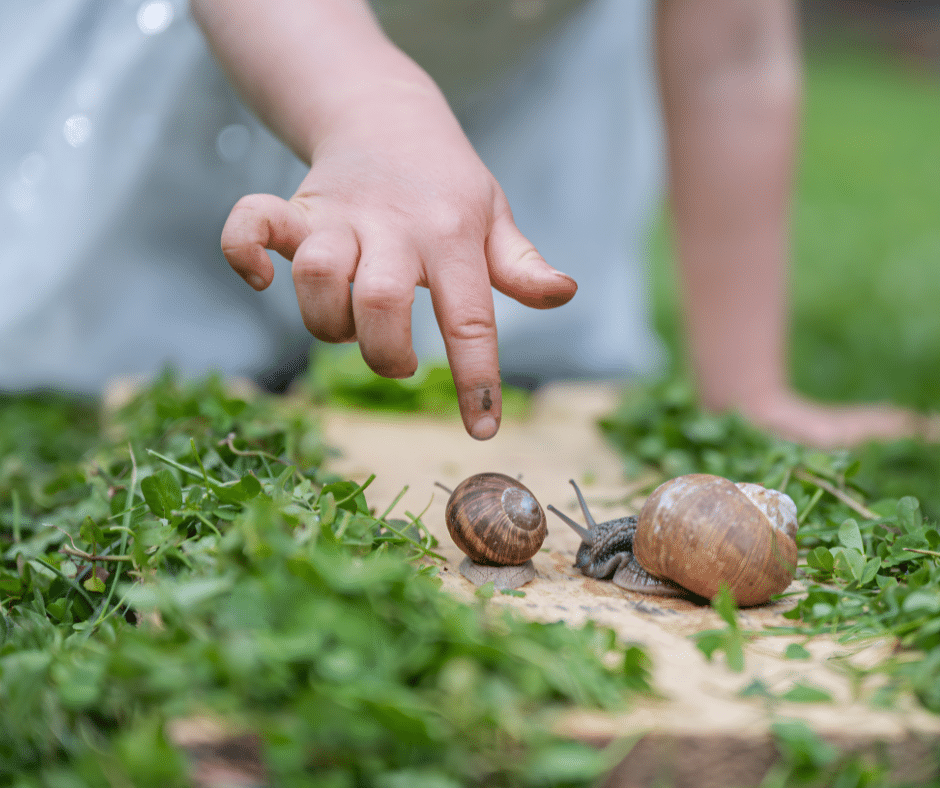
Encouraging Exploration from Toddlerhood Through Preschool
If you have a young child, you know they’re always on the move. Toddlers and preschoolers are natural explorers, learning about the world by touching, moving, and trying new things. With supervision and encouragement, everyday play becomes a powerful way for children to grow.
Why Exploration Matters
Young children learn best through hands-on experiences. Exploring helps them:
-Build strength and coordination
-Practice problem-solving
-Develop creativity and independence
-Grow confidence as they discover, “I can do it!”
Toddlers (Ages 1–3): Discovering Everything
Toddlers are busy learning to walk, talk, and explore their surroundings. Create safe opportunities for them to investigate by:
-Setting up child-safe shelves with items to stack and explore
-Offering sensory play like Play-Doh, water, or sand
-Dancing, climbing, and playing with balls
-Exploring outdoors with chalk, leaves, and nature walks
Even short walks can turn into exciting adventures when toddlers stop to examine the world around them.
Preschoolers (Ages 3–5): Curious and Creative
Preschoolers bring imagination and energy to play. Support their exploration by:
Letting them lead activities and use creativity
Encouraging pretend play and dress-up
Providing art supplies and building materials
Allowing trial and error as they learn new skills
Mistakes are part of learning and help children build persistence and confidence.
Tips for Parents:
-Supervise, but avoid overhelping
-Gently redirect unsafe behavior
-Encourage curiosity with questions
-Focus on the experience, not perfection
-Enjoy the Journey
For young children, exploration is the activity. A simple walk or backyard playtime can become a meaningful learning experience. Slowing down and discovering together helps build curiosity, confidence, and a lifelong love of learning.